Balayage: a complete guide from a hairdresser with 28 years' experience
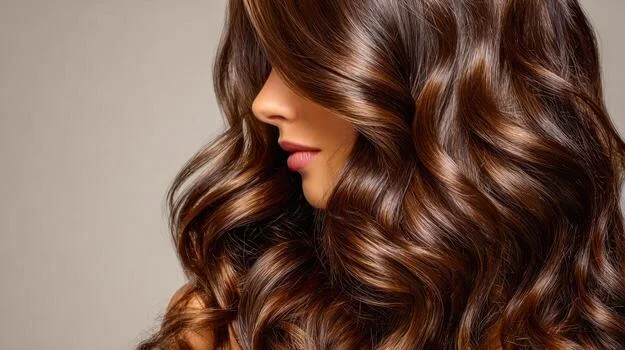
Balayage has been the most requested colour service at our salon for years. Nearly half of the clients who sit in our chair for the first time arrive with the same photo on her phone: soft, naturally lightened lengths, darker roots and a blend where you cannot tell where it starts or ends. That is balayage. In this guide we have gathered everything people ask us about it: how the technique works, the main types, which hair it suits, how long it lasts, what the cost depends on and how to look after it so it looks good for months, not just a week.
We write from practice, not theory. Bella Beauty Salon has worked in Dryanovo since 1998, and thousands of lightening services have passed through our hands: successful ones, rescued ones and ones we have had to correct after experiments at home. Everything below is what that experience has taught us.
What balayage is
The word comes from the French "balayage", which means "sweeping". The name describes the movement of the hand itself: the hairdresser applies the lightener freehand with a brush, using light, sweeping strokes over the surface of each section. There is no foil, no cap and no hard line. The product is most concentrated towards the ends and gradually thins out towards the root.
The result is hair that looks lightened by the sun after a whole summer at the beach. That is exactly why balayage does not date: nature does not draw straight lines in hair, and neither does balayage.
An important point that often surprises clients: balayage is a TECHNIQUE of application, not a specific colour. It can be blonde, caramel, ash, copper, chocolate, even with coloured accents. When you say "I want balayage", you are really saying how the colour should be applied. Which colour it should be is a separate conversation that we have together at the salon.
A short history of the technique
Balayage is not a passing fashion of the last few years. The technique was born in Paris in the 1970s, when French colourists began painting light into hair by hand instead of wrapping it in foil. It returned in force in salons around the world around 2010, when Hollywood looks with soft, grown-out blends became the standard for natural beauty. Since then balayage has stayed among the most requested techniques, and the reason is simple: it is a very natural way to wear light in your hair. Fashions for particular shades come and go; the technique stays.
How a balayage appointment works, step by step
Many clients come to us a little nervous because they do not know what to expect. Here is what a typical balayage appointment looks like with us:
- Consultation. We look at your hair in daylight, talk about the result you want and you show us photos. We assess your starting colour, whether there is old dye on the lengths and what condition the hair is in. Our consultation is free and comes with no obligation.
- Colour plan. Together we decide how light to go, how many shades to use and where the lightest accents will sit, usually around the face and towards the ends.
- Application. We divide the hair into sections and apply the lightener by hand, section by section. This is the slowest part, and it is exactly what makes the difference between balayage and ordinary highlights.
- Processing and checking. We watch the process the whole time. Dark hair passes through warm stages as it lightens, and the moment of rinsing decides the final tone.
- Toning. After lightening we almost always apply a toner, which neutralises yellow or orange and gives the final shade: ash, beige, golden or caramel.
- Treatment and styling. We finish with a nourishing treatment for the hair and a blow-dry, so you see the result the way you will actually wear it.
The whole appointment usually takes between 2 and 4 hours, and longer for long, thick hair. The time also depends on your starting colour. With very dark or previously treated hair we sometimes plan the result in two stages a few weeks apart, because the health of the hair always comes before speed.
Balayage, ombré, highlights or airtouch: what is the difference
These four words are mixed up all the time, yet the differences are real. If you are torn between them, the table below will help you get your bearings in a minute:
| Technique | How it is applied | Effect | Upkeep |
|---|---|---|---|
| Balayage | By hand, with sweeping strokes over the surface | A soft, natural blend with no visible line | Low: regrowth blends in almost unnoticed |
| Ombré | Solid lightening of the lower half | A clearly defined shift from dark to light | Medium: the transition line needs refreshing |
| Classic highlights | With foil, from root to tip | Even light stripes along the whole length | High: regrowth shows after about a month |
| Airtouch | Each section is blown with a hairdryer and only the longer hairs that remain are lightened | A very fine, airy blend, close to balayage | Low, but the appointment is the longest and the most expensive |
In practice we often combine techniques. For example, balayage through the lengths plus a few fine highlights around the face to brighten it, or airtouch on the top section and balayage underneath. The right combination is decided in the chair, based on your hair.
Types of balayage by colour and hair
Balayage on dark hair
This is the most common case at our salon. Dark brown and black hair give the most striking contrast, but they also demand the most skill, because dark pigment passes through orange stages as it lightens. The key is gradual lightening and precise toning. For very dark hair, caramel and chocolate shades are a lovely and gentle choice: they look natural and do not require aggressive lightening all the way to blonde.
Ash balayage
Cool, grey-beige shades have been in fashion for years and are not going anywhere. An ash tone needs the hair to be lightened enough, otherwise the yellow undertone breaks through. It is maintained with toning products at home, and we will advise you on these at the salon. Bear in mind that ash fades the fastest of all shades, so a planned toner refresh every 6 to 8 weeks is a normal part of looking after it.
Caramel and copper balayage
Warm shades are easy to maintain and suit most of the skin tones we see in Bulgaria. Caramel balayage on a brown base is a combination that rarely disappoints: it looks well kept, and regrowth is barely visible.
Blonde balayage
On hair that is already blonde, balayage adds depth and volume through darker and lighter areas. Here we work the other way round: we do not only lighten, we sometimes deepen the root slightly to create the soft contrast that makes blonde look alive rather than flat.
Balayage on short hair
It is a myth that balayage is only for long hair. On a bob, and even on a pixie cut, a few well-placed light accents open up the face and add movement. The difference is that precision matters even more on short hair, because every stroke shows.
Who balayage suits
Balayage is one of the most versatile colour services on offer under balayage and highlights. It suits you if:
- You want a change, but not a drastic one: the hair is refreshed without changing your base colour completely.
- You do not have time for frequent salon visits: regrowth does not show for months.
- Your hair is fine or lacks volume: the play of light and dark creates visual thickness.
- You have worn one solid colour for a long time and want a livelier, younger look.
- Your first grey hairs are appearing: balayage softens them, without the effect of a solid dyed root.
When we take extra care: with hair that is very worn out, breaking, or recently lightened with a high-strength developer. In those cases we first restore the hair with professional hair treatments and only then lighten. An honest hairdresser sometimes says "not yet", and that is exactly what has earned us our clients' trust over the years.
How long balayage lasts and how to look after it
This is where balayage really shines. Because there is no hard line at the root, regrowth merges into the blend and the look stays tidy for 3 to 6 months, and longer with warm shades. That does not mean zero care. Here is what actually extends the life of the colour:
- Sulphate-free shampoo. Harsh cleansing agents strip pigment, and blonde turns brassy.
- A toning shampoo or mask once a week for cool shades, so the yellow undertone does not come through.
- Heat protection before a hairdryer, straighteners or curling tongs. Lightened hair is more porous and burns more easily.
- A deeply nourishing mask once a week. At the salon we use Nashi Argan products, which are made precisely for dry and lightened hair.
- UV protection in summer. The sun keeps lightening the hair and spoils the toned shade. A hat, a spray with a UV filter or a protective oil all do the job.
- A trim of the ends every 8 to 12 weeks. Lightened ends are the most fragile part of the hair. Cutting with hot scissors seals them and extends the life of the whole look.
How to prepare for your balayage appointment
Small things before the appointment make a surprisingly big difference to the result. Here is what we tell our clients when they book a balayage with us:
- Do not wash your hair on the day of the appointment. The natural oil on the scalp gives a little protection when we work close to the root. Hair washed the day before is ideal.
- Come with hair free of styling products: hairspray, dry shampoo and pastes stop the lightener from taking evenly.
- Bring photos of a result you like and, if you can, of one you do not like. The second often tells the hairdresser more than the first.
- Tell us the honest history of your hair: when and with what it was coloured, and whether you have had henna, straightening or a perm. Old pigments and treatments react to lightening, and hiding them can ruin the result.
- Allow plenty of time. Good balayage is not done in 45 minutes, and worrying about being late for something else spoils the experience.
If your hair is in poor condition, start using nourishing masks two to three weeks before the appointment. The healthier the hair going in, the better the colour coming out.
What to expect in the first days after balayage
The first 48 to 72 hours matter for how long the toned shade lasts. Wait at least two days before the first wash so the pigment can settle. For that first wash, use lukewarm rather than hot water and a sulphate-free shampoo.
It is normal for lightened hair to feel a little dry in the first week, especially at the ends. One or two nourishing masks bring it back into balance. If you notice the shade shifting slightly in the first few weeks, that is normal too: toning pigments wash out gradually, which is exactly why a toning shampoo at home is part of the upkeep, not an extra.
The sea, swimming pools and sunbeds are hard on a fresh shade. If your appointment comes before a holiday, tell us: we will choose a more durable tone and give you a specific protection routine to pack.
Balayage and grey hair
One of the most underrated uses of balayage is for the first grey hairs. Solid root colour ties you to a salon visit every 3 to 4 weeks, because every white strand at the regrowth line shows. Balayage works the opposite way: the light accents blend with the grey and make it part of the look rather than a problem to hide.
With 20 to 30 per cent grey, a well-planned balayage can double or even triple the time between visits. With more grey we combine techniques: gentle root coverage plus balayage through the lengths. This is a conversation for the consultation, because the right approach depends on where the grey sits and how much upkeep you are prepared to take on.
Choosing the shade for your skin tone and eyes
The most common worry clients have is "will it suit me?". The good news is that balayage is flexible and there is almost always a version that works, as long as the shade is chosen for your skin tone and not from a photo of a stranger on the internet.
The general rule we work with: a warm skin undertone loves warm shades, a cool undertone loves cool ones. If the veins on your wrist look more green, your skin has a warm undertone and golden, caramel and copper will light up your face. If the veins look more blue, cool beige and ash tones will sit more cleanly on you. A neutral undertone, where it is hard to tell, is the lucky one: both directions work.
Eyes play a part too. Blue and green eyes stand out against warm caramel framing around the face, while brown eyes gain depth from cool ash blends. None of this is a rule, just a starting point for the consultation, where we look at everything together: skin, eyes, brows and the way you dress.
One more thing we say often: the right balayage is the one you can maintain. If you know you will not tone at home every week, choose a warm shade. It is forgiving, grows out gracefully and does not demand discipline.
Balayage and a haircut: why they go together
Balayage is built on the shape of the cut: the lightest accents sit at the ends and around the layers. That is why the order matters, and at our salon the cut comes before the colour in the same visit. This way the light falls exactly where the style will sit, not on lengths that will be cut off afterwards.
If the ends are split, combining it with a hot scissors haircut makes particular sense: sealed hair holds moisture better and copes with lightening more easily. Clients who keep up this combination regularly come back with hair that takes a third and fourth colour refresh without any drama.
Balayage through the seasons: does timing matter
Technically, balayage can be done all year round. In practice it makes sense to time it around your plans. Spring is our busiest season for lightening: hair is being prepared for summer and light shades are most in demand. Autumn is the time for caramel and chocolate tones, which refresh the look after a summer that has faded it.
If you have a special event coming up (a wedding, a prom or an important photo shoot), have your balayage three to four weeks beforehand. That way the shade settles, there is time for a correction if needed, and the hair fully recovers. Planning a school prom or a wedding? Have a look at the wedding and formal hairstyles we do and book both services in one phone call.
What the cost of balayage depends on
The question "how much does balayage cost?" has no single answer for everyone. A figure given over the phone without seeing the hair is only a rough guide, and the final one is confirmed at the salon. Here is what really shapes the cost:
- Length and thickness of the hair: more hair means more product and more hours of work.
- Starting colour: dark and previously coloured hair need more stages of lightening.
- The result you want: a fine balayage with toning takes more work than a few sun-kissed accents.
- Condition of the hair: damaged hair needs extra protection and treatments during the service.
- Quality of the products: professional lightening systems with added hair protection cost more, but they look after the hair.
That is why at our salon the cost is given as a rough guide over the phone after a short description of your hair, and confirmed at the consultation in person. This way you pay for the actual work on your hair, not for an averaged price list. Book a free consultation and you will get a specific, honest answer. We speak basic English, and simple English on the phone is perfectly fine.
Common balayage mistakes and myths
Myth: balayage does not damage hair
Balayage is gentler than all-over lightening, because it does not treat all of the hair and rarely touches the root. But it is still lightening. The difference between healthy and damaged hair after the service lies in the hairdresser's hands, the quality of the products and the care afterwards.
Myth: you can do balayage at home with a shop kit
We have seen the results of this experiment many times, usually as orange patches and an uneven blend. Home kits have neither the control of a professional developer nor the toning step that makes the shade attractive. Correcting a home balayage almost always costs more than having it done professionally from the start.
Myth: balayage is a one-off service that lasts for ever
Balayage is low maintenance, not zero maintenance. The tone is refreshed every few months, and toning at home between visits protects the shade. The good news is that a refresh is a quicker and lighter service than the original lightening.
Mistake: too light, too fast
The most common cause of broken hair is rushing from black to platinum in a single day. The professional approach with very dark hair is gradual, in stages, with protective products used during the lightening itself. Patience here quite literally saves the hair.
Balayage in Dryanovo, near Gabrovo and Veliko Tarnovo: why clients travel to us
Our salon is in Dryanovo, at 3 Sava Yotov St, a few minutes from the town centre. Clients come to us not only from the surrounding area (Veliko Tarnovo, Gabrovo, Tryavna, Sevlievo and elsewhere) but from all over Bulgaria, most often for balayage and for a hot scissors haircut. We also have many long-standing clients who live abroad and plan their visit to us around their trips home. The reason is simple: the balayage technique does not forgive haste, and we approach every head of hair individually, with time, a consultation and a colour plan.
Dryanovo is a small town in the Balkan mountains in the centre of Bulgaria, with plenty of places for a walk nearby. You can combine the trip with a break in the area: Dryanovo Monastery, Bacho Kiro Cave and the mountain trails are minutes away, and Veliko Tarnovo is half an hour's drive.
The other thing travelling clients value is predictability. The appointment is arranged in advance and confirmed by phone, there is no waiting, and the service starts with a colour plan already agreed at the consultation. For balayage, which is done two or three times a year, a 30-minute drive turns out to be a small detail compared with a result you live with for months.
If you are coming from another town, see our location and opening hours, where you will also find navigation buttons for Google Maps, Apple Maps and Waze. We are open Monday to Friday, 9:00 to 18:00, and appointments are booked by phone on +359 888 392 228 or +359 889 828 282. You can read more about how booking works on the book an appointment page.
Our advice in brief
Balayage is a technique that gives you natural, long-lasting colour with a gentle approach to the hair. Choose a hairdresser you trust, give the service the time it needs, invest in the right care at home, and your hair will repay you for months. And if you live around Dryanovo, Gabrovo or Veliko Tarnovo, you are welcome to visit us: the first consultation is free and you will hear an honest opinion.
Frequently asked questions about balayage
How long does a balayage appointment take?
Usually between 2 and 4 hours, and longer for long, thick hair. The time also depends on your starting colour. With very dark or heavily treated hair we sometimes plan the result in two stages a few weeks apart, to keep the hair healthy.
Does balayage damage hair?
Balayage is one of the gentler lightening techniques, because it does not treat all of the hair and rarely touches the root. It is still a chemical service, though, and the result depends on the hairdresser's skill, the quality of the products and the care at home afterwards.
How often does balayage need refreshing?
The look stays tidy for 3 to 6 months, because the regrowth does not show. The tone of blonde and ash shades is refreshed more often, usually every 6 to 8 weeks, with a toner at the salon or toning products at home.
Can you do balayage on dark or black hair?
Yes, and that is where the effect is most striking, thanks to the contrast. Dark hair takes more skill and sometimes more stages, because it passes through warm phases as it lightens. Caramel and chocolate shades are the gentlest choice.
Can you have balayage on short hair?
Yes. On a bob, and even on a very short cut, well-placed light accents open up the face and add movement. On short hair precision matters even more, because every stroke shows.
What is the difference between balayage and ombré?
Balayage gives a soft blend with no visible line, painted on by hand with a brush. Ombré is more contrasting, with a clearer line between the dark base and the light ends. Of the two, balayage needs less upkeep.
How much does balayage cost?
The cost depends on the length and thickness of the hair, your starting colour, the result you want and the condition of the hair, so it is set after a consultation. At our salon in Dryanovo the consultation is free, in person or by phone on +359 888 392 228 or +359 889 828 282.
How do I look after balayage at home?
Sulphate-free shampoo, a toning product for cool shades, a weekly nourishing mask, heat protection before heat styling, and a trim of the ends every 8 to 12 weeks, ideally with hot scissors.